
Tag: natural world
The facts behind Fairy circle.
Fairy circles are circular patches of barren land, varying between 2 and 12 metres in diameter, often encircled by a stimulated growth of grass.
The simple version of Mycorrhiza.
A mycorrhiza is a symbiotic association between a fungus and a plant, in which fungal hyphae and plant roots become interconnected and form an interface on the cellular…
The simple version of Echolocation.
Echolocation is the use of sound as a form of navigation.
What people get wrong about Electric eel.
The electric eels are a genus, Electrophorus, of neotropical freshwater fish from South America in the family Gymnotidae, of which they are the only members of the subfamily…
Horseshoe crab deserves a closer look.
Horseshoe crabs are arthropods of the family Limulidae and the only surviving xiphosurans.
Cambrian explosion is not quite what it seems.
The Cambrian explosion is an interval of time beginning approximately 538.8 million years ago in the Cambrian period of the early Paleozoic, when a sudden radiation of complex…
The facts behind Burgess Shale.
The Burgess Shale is a fossil-bearing deposit exposed in the Canadian Rockies of British Columbia, Canada.
The surprising truth about Superconductivity.
Superconductivity is a set of physical properties observed in superconductors: materials where electrical resistance is exactly zero and magnetic fields are expelled from the material.
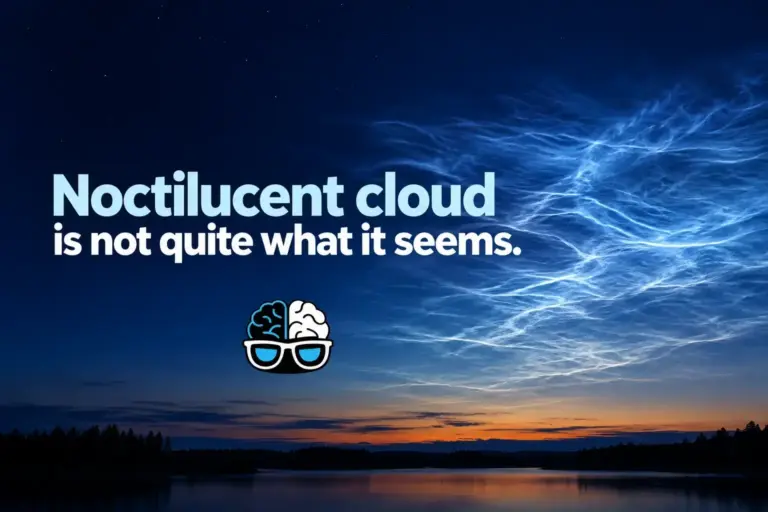
Noctilucent cloud is not quite what it seems.
Noctilucent clouds (NLCs), or night shining clouds, are tenuous cloud-like phenomena in the upper atmosphere.
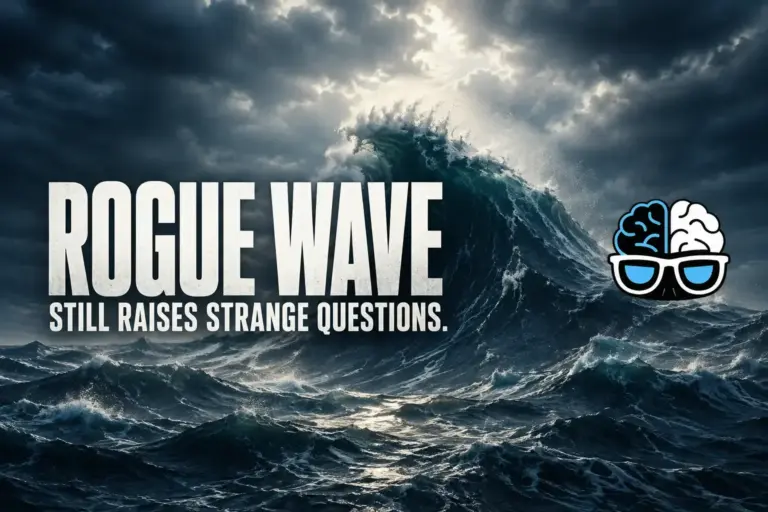
Rogue wave still raises strange questions.
Rogue waves are large and unpredictable surface waves that can be extremely dangerous to ships and isolated structures such as lighthouses.