Category: Psychology
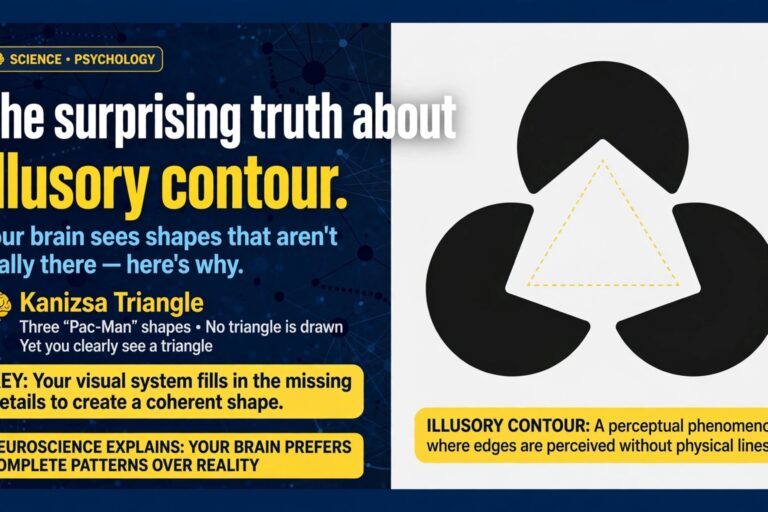
The surprising truth about Illusory contour.
An illusory contour or subjective contour is a visual illusion that evokes the perception of an edge without a luminance or color change across that edge.
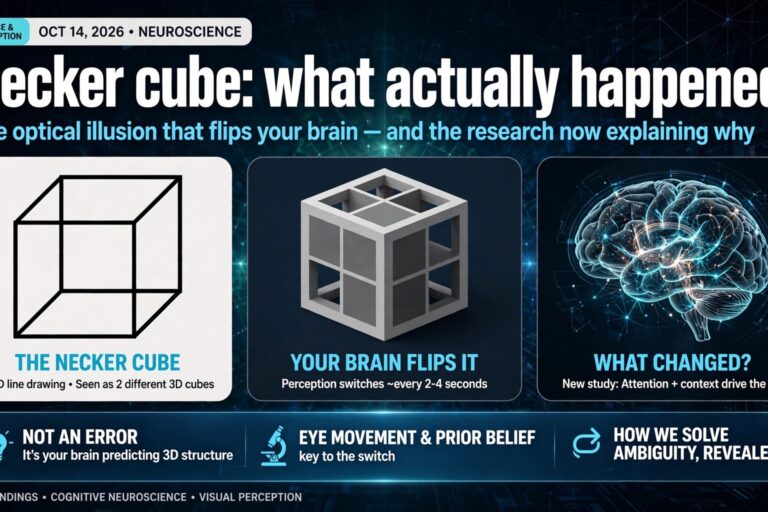
Necker cube: what actually happened.
The Necker cube is an optical illusion that was first published as a rhomboid in 1832 by Swiss crystallographer Louis Albert Necker.
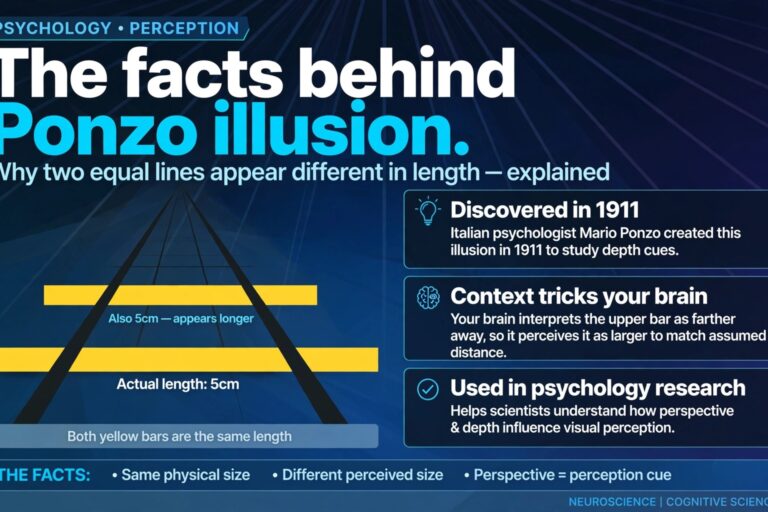
The facts behind Ponzo illusion.
The Ponzo illusion is a geometrical-optical illusion that takes its name from the Italian psychologist Mario Ponzo (1882–1960).
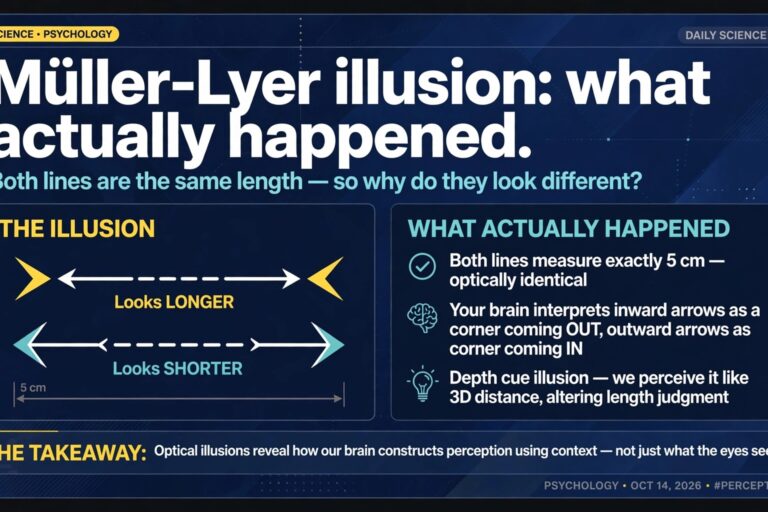
Müller-Lyer illusion: what actually happened.
The Müller-Lyer illusion is an optical illusion consisting of three stylized arrows.
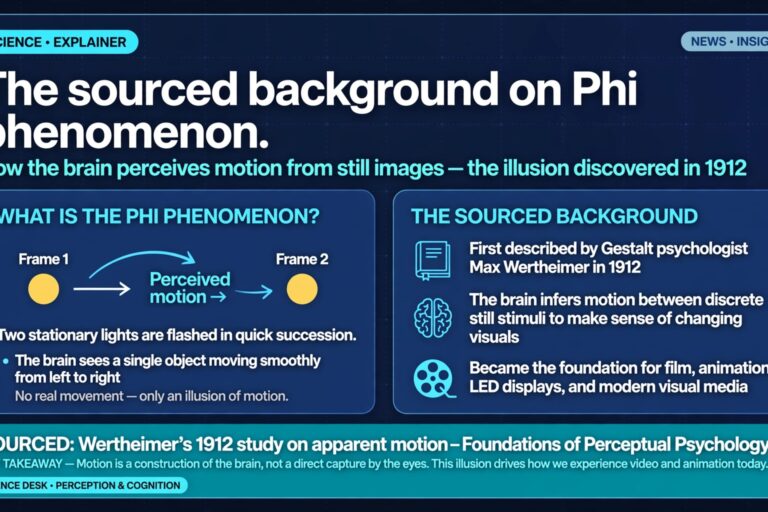
The sourced background on Phi phenomenon.
The term phi phenomenon is used in a narrow sense for an apparent motion that is observed if two nearby optical stimuli are presented in alternation with a…

The surprising truth about Source-monitoring error.
A source-monitoring error is a type of memory error where the source of a memory is incorrectly attributed to some specific recollected experience.

Misinformation effect is not quite what it seems.
The misinformation effect occurs when a person's recall of episodic memories becomes less accurate because of post-event information.

Self-serving bias deserves a closer look.
A self-serving bias is any cognitive or perceptual process that is distorted by the need to maintain and enhance self-esteem, or the tendency to perceive oneself in an…
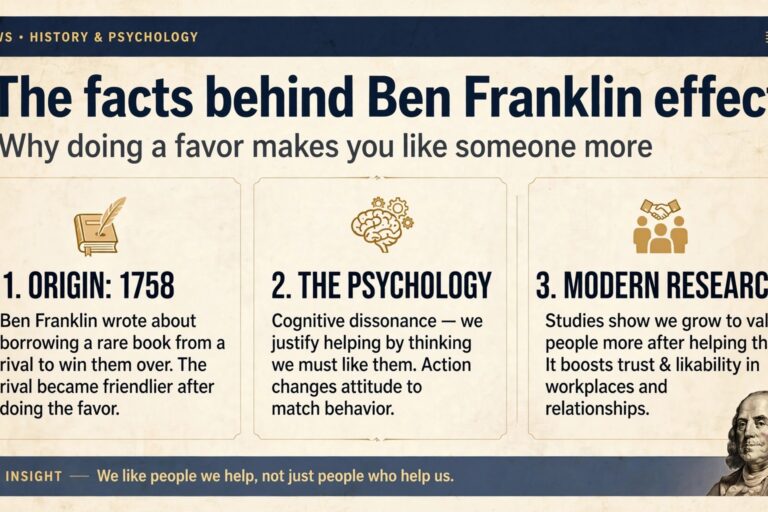
The facts behind Ben Franklin effect.
The Ben Franklin Effect is a psychological phenomenon in which a person likes someone more after doing them a favor.

The surprising truth about Pratfall effect.
In social psychology, the pratfall effect is the tendency for a person's likability to change after making a mistake depending on perceived competence: highly competent individuals tend to…